

Anti-Inflammatory Diet Meal Plan for Longevity
Anti-inflammatory meal plans, swaps, and prep tips using whole foods, healthy fats, turmeric, and omega-3s to reduce chronic inflammation.


Chronic inflammation contributes to aging and many health issues, but an anti-inflammatory diet can help reduce its effects. This eating style emphasizes whole, nutrient-dense foods like colorful fruits and vegetables, fatty fish, whole grains, and healthy fats such as extra-virgin olive oil. Spices like turmeric and ginger also play a key role in reducing inflammation. Research shows that adopting such a diet can lower inflammation markers by 20–40% in just a few months and significantly decrease the risk of heart disease and dementia.
Key Takeaways:
- Focus on Whole Foods: Vegetables, fruits, legumes, and whole grains form the foundation.
- Healthy Fats: Include olive oil, fatty fish, avocados, and nuts.
- Anti-Inflammatory Spices: Use turmeric, ginger, and cinnamon regularly.
- Limit Processed Foods: Avoid refined carbs, added sugars, processed meats, and excessive alcohol.
- Meal Ideas: Breakfasts like turmeric oatmeal, lunches such as salmon quinoa bowls, and dinners like sheet pan salmon with broccoli make it easy to incorporate these principles.
By consistently choosing anti-inflammatory foods, you can support healthy aging and reduce chronic inflammation. The goal isn’t perfection - just gradual, sustainable changes to your daily meals.
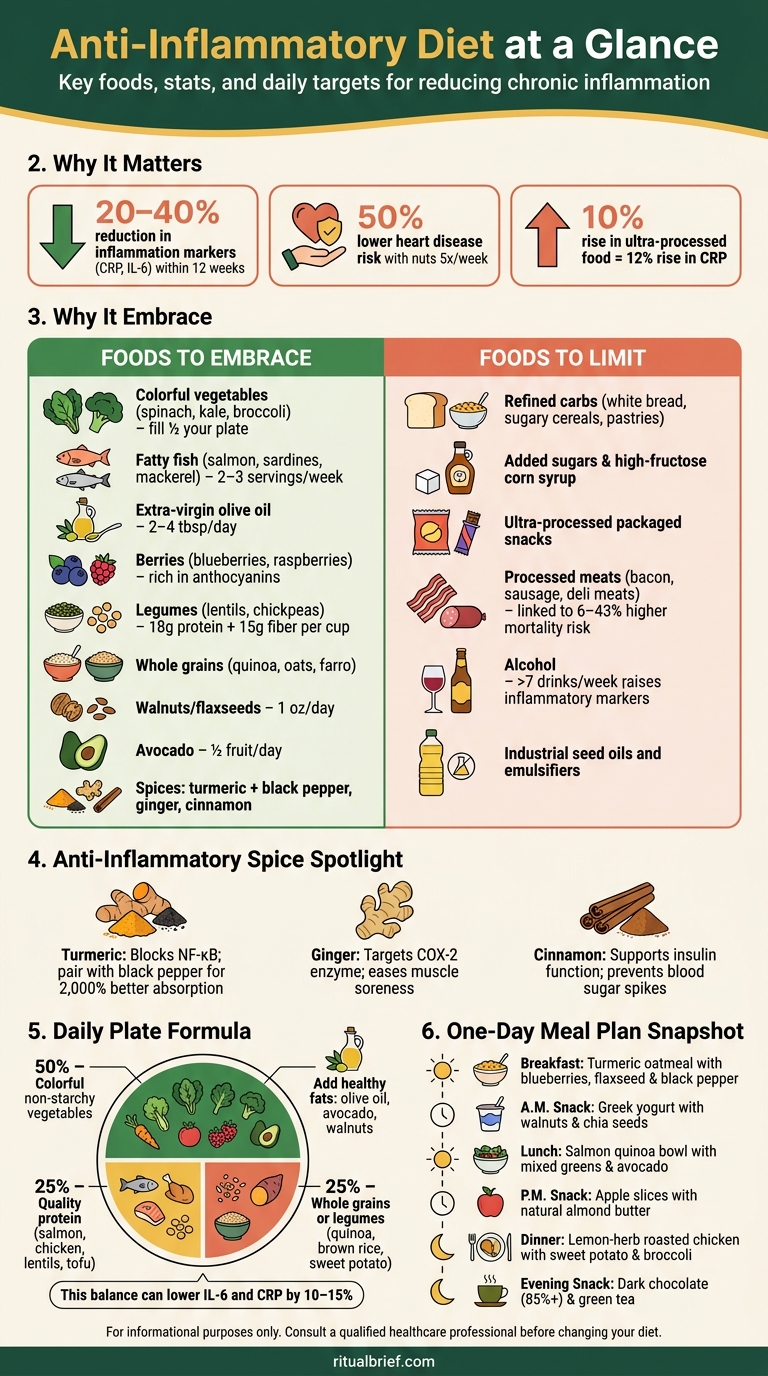
Anti-Inflammatory Diet: Foods to Eat vs. Foods to Limit
5-Day Anti-Inflammatory Diet Meal Plan
sbb-itb-3d8e4fc
Key Components of an Anti-Inflammatory Diet
An anti-inflammatory diet isn't about relying on a single "magic" food. Instead, it focuses on combining various food groups that work together to help control inflammation.
Whole, Plant-Based Foods
The backbone of this diet consists of vegetables, fruits, legumes, whole grains, nuts, and seeds. Non-starchy vegetables - like spinach, kale, broccoli, and Brussels sprouts - should fill at least half your plate at every meal [3]. Vibrantly colored fruits, especially berries, are packed with flavonoids and anthocyanins, which can slow cellular aging and reduce the risk of blood clots [2][3].
Legumes such as lentils, black beans, and chickpeas are nutritional powerhouses. For instance, one cup of cooked lentils contains 18 grams of protein and 15 grams of fiber [3]. This fiber supports the growth of healthy gut bacteria, which produce compounds that help lower overall inflammation. Whole grains like oats, quinoa, and farro also promote a balanced gut microbiome and help regulate blood sugar levels.
"The anti-inflammatory meal formula is not about perfection. It is about building a consistent eating pattern that keeps your body in a calmer, more protected state, day after day." - Emily Reich, RD, Princeton Longevity Center [2]
Let's move on to the role of fats in reducing inflammation.
Healthy Fats
Extra-virgin olive oil (EVOO) stands out for its anti-inflammatory properties. It contains oleocanthal, a compound that blocks the same enzymes targeted by ibuprofen but without the associated side effects. Incorporate 2–4 tablespoons daily as your go-to cooking oil or salad dressing [9][10].
Fatty fish, such as salmon, sardines, and mackerel, are rich in EPA and DHA - omega-3 fatty acids that disrupt inflammatory signaling and lower pro-inflammatory compounds like IL-6 and TNF-alpha. Consuming 2–3 servings of fatty fish per week can significantly reduce C-reactive protein (CRP) levels [6][9]. Other sources of healthy fats include walnuts, flaxseeds, and avocados, which provide plant-based omega-3s and monounsaturated fats to help balance the body's fatty acid profile.
| Fat Source | Key Nutrient | Target Intake |
|---|---|---|
| Extra-Virgin Olive Oil | Oleocanthal / Monounsaturated Fat | 2–4 tbsp/day |
| Fatty Fish (salmon, sardines) | EPA & DHA (Omega-3) | 2–3 servings/week |
| Walnuts / Flaxseeds | ALA (Omega-3) | 1 oz/day |
| Avocados | Monounsaturated Fat | ½ fruit/day |
Next, let's explore how spices can add flavor while reducing inflammation.
Spices and Herbs That Fight Inflammation
Spices are a powerful, yet often overlooked, part of an anti-inflammatory diet. Turmeric is one of the most researched spices for its anti-inflammatory effects. Its active ingredient, curcumin, blocks NF-κB, a key regulator of inflammation, and reduces markers like CRP and IL-6 [11][12]. Since curcumin is poorly absorbed on its own, combining turmeric with black pepper can enhance its absorption by up to 2,000% [13]. Using olive oil alongside turmeric can further improve its effectiveness.
"Anyone who's trying to manage inflammation could benefit from adding some turmeric to their foods." - Mary-Eve Brown, R.D.N., Oncology Clinical Dietitian, Johns Hopkins Medicine [13]
Ginger also helps by targeting COX-2, an enzyme linked to inflammation, easing muscle soreness in the process. Cinnamon, particularly Ceylon cinnamon, supports better insulin function, which can help prevent the blood sugar spikes that often trigger inflammation [7]. Try adding a pinch of turmeric and black pepper to roasted vegetables or rice, mixing ginger into smoothies, or sprinkling cinnamon on oatmeal for simple, flavorful ways to incorporate these spices into your meals.
This article is for informational purposes only and is not medical, health, fitness, or wellness advice. Always consult a qualified healthcare professional before making any changes to your diet or lifestyle.
Meal Ideas for an Anti-Inflammatory Diet
Let’s take the anti-inflammatory foods we’ve discussed and turn them into simple, delicious meals. These ideas are quick to prepare, often taking less than 30 minutes, making them easy to fit into your daily routine.
Breakfast Options
A good anti-inflammatory breakfast includes lean protein, fiber, healthy fats, and antioxidants [17]. One example is a Blueberry Walnut Greek Yogurt Bowl: plain Greek yogurt topped with fresh blueberries, walnuts, chia seeds, and a sprinkle of cinnamon [14]. It’s a no-cook option packed with protein, omega-3s, and anthocyanins.
If you prefer savory flavors, try a Turmeric and Spinach Egg Scramble. Whisk eggs with turmeric and black pepper, then cook in olive oil with sautéed spinach [16]. This dish not only supports anti-inflammatory pathways but also helps regulate blood sugar. For mornings on the go, prepare Berry Chia Pudding the night before. Soak chia seeds in almond milk, then top with raspberries and pistachios for a creamy, nutrient-dense option [14].
"Anti-inflammatory foods are minimally processed and nutrient-dense foods that contain beneficial compounds like antioxidants or healthy fats." - Miranda Galati, M.H.Sc., RD [15]
These breakfasts set the stage for a balanced and energizing day.
Lunch Ideas
For lunch, aim to fill half your plate with vegetables, a quarter with lean protein, and the last quarter with healthy fats or low-glycemic carbs [21]. Buddha Bowls are a perfect example. Start with a base of quinoa or brown rice, add a protein like chickpeas or grilled salmon, pile on roasted vegetables like cauliflower or sweet potato, and finish with avocado or a tahini drizzle [20].
If you’re craving something warm, try a Saffron and Turmeric Lentil Soup. It’s rich in fiber, spiced with anti-inflammatory ingredients, and has a comforting texture [19]. Studies show that consistent dietary changes like these can reduce markers of inflammation, such as CRP and IL-6, by 20% to 40% within 12 weeks [8].
With lunch covered, let’s move on to dinner ideas that continue to prioritize anti-inflammatory ingredients.
Dinner Suggestions
Dinner is a great time to include fatty fish. A Sheet Pan Salmon & Broccoli is an easy option. Season the salmon with ginger, turmeric, garlic, and lime, then bake alongside broccoli. Keep the oven temperatures moderate - salmon at 300–350°F and broccoli at no more than 375°F - to preserve nutrients like EPA, DHA, and sulforaphane. Boiling vegetables, on the other hand, can reduce sulforaphane levels by up to 77% in just five minutes [24].
For a plant-based option, consider a Chickpea Stew with sweet potato, ginger, turmeric, spinach, and coconut milk. It’s hearty and satisfying [23]. Another idea is a Nourish Lentil Bowl with green lentils, roasted winter squash, mushrooms, pomegranate seeds, and pecans. Drizzle with extra-virgin olive oil to tie it all together. The vitamin C in pomegranate helps your body absorb the iron in lentils more effectively [22].
Snack Pairings
Snacks should follow the same principles as meals: pair protein or healthy fats with fiber to keep blood sugar stable. Some easy options include:
- Apple slices with almond butter
- Carrot sticks with hummus
- Walnuts with dark chocolate (70% cacao or higher)
Fun fact: Research shows that eating nuts at least five times a week can lower the risk of heart disease by about 50% and may even add two years to your life [18]. Keep a small handful handy for a quick, nutritious snack.
This article is for informational purposes only and is not medical, health, fitness, or wellness advice. Always consult a qualified healthcare, medical, fitness, or wellness professional before making decisions, starting a new routine, changing your diet, using supplements, or acting on any health-related information.
One-Day Anti-Inflammatory Meal Plan
This one-day meal plan is designed to hit key nutritional goals for healthy aging: at least 80g of protein, 29g of fiber, under 1,500mg of sodium, and less than 14g of saturated fat daily [27].
Meal Plan Outline
"Eating foods containing anti-inflammatory properties, such as omega-3 fatty acids and richly pigmented fruits and vegetables, can help reduce markers of chronic inflammation as we age." - Emily Lachtrupp, M.S., RD [1]
| Meal | What to Eat | Key Anti-Inflammatory Benefits |
|---|---|---|
| Breakfast | Turmeric oatmeal with blueberries, flaxseed, and black pepper | Curcumin + anthocyanins + omega-3s [26] |
| A.M. Snack | Greek yogurt with walnuts and chia seeds | Probiotics + healthy fats + fiber [25] |
| Lunch | Salmon quinoa bowl with mixed greens and avocado | Omega-3s + complex carbs + monounsaturated fats [26] |
| P.M. Snack | Apple slices with natural almond butter | Quercetin + healthy fats [26] |
| Dinner | Lemon-herb roasted chicken with sweet potato and broccoli | Lean protein + beta-carotene + sulforaphane [1] |
| Evening Snack | Dark chocolate (85%+) and green tea | Flavonoids + EGCG [26] |
This plan offers flexibility while maintaining its anti-inflammatory focus. For instance, you can substitute blueberries with raspberries, salmon with mackerel, or chicken with lentils without losing the benefits. The key is to include at least two brightly colored fruits or vegetables at every meal for a broad range of antioxidants [28].
A few tips to enhance the plan:
- Pair turmeric with black pepper to improve curcumin absorption [26].
- Swap green tea for dessert - it’s packed with EGCG, a compound known for its anti-inflammatory properties [26].
- Stay hydrated throughout the day, as proper hydration supports the body’s natural anti-inflammatory processes.
This meal plan balances smart food choices with nutrient-dense combinations, making it both effective and adaptable.
Next, dive into meal prep strategies to simplify sticking to this plan.
This article is for informational purposes only and is not medical, health, fitness, or wellness advice. Always consult a qualified healthcare, medical, fitness, or wellness professional before making decisions, starting a new routine, changing your diet, using supplements, or acting on any health-related information.
Foods to Limit for Long-Term Health
Knowing what to eat is essential, but understanding which foods to limit is just as important for maintaining long-term health. Some foods, especially those linked to inflammation, are best enjoyed occasionally rather than as dietary staples. As Dr. Frank Hu, Professor of Nutrition and Epidemiology at Harvard School of Public Health, explains:
"Some of the foods that have been associated with an increased risk for chronic diseases such as type 2 diabetes and heart disease are also associated with excess inflammation." [5]
Refined and Processed Foods
Foods like white bread, sugary cereals, pastries, and other refined carbohydrates can cause rapid blood sugar spikes, leading to inflammation. This process prompts the body to produce more insulin, a hormone known to have pro-inflammatory effects. Added sugars are another major concern. High-fructose corn syrup, commonly found in sodas, candy, and flavored yogurts, is a significant contributor to chronic, low-grade inflammation in many diets.
Packaged snacks, microwaveable meals, and commercial baked goods often contain ingredients like emulsifiers and industrial seed oils, which can harm the gut lining. Mallika Marshall, MD, Contributing Editor at Harvard Health Publishing, highlights this issue:
"Ultra-processed foods can change the bacteria in your gut, damage the gut's lining, and switch on inflammatory genes in cells." [4]
Studies reveal that a 10% increase in ultra-processed food consumption correlates with a 12% rise in C-reactive protein (CRP) levels, a key marker of systemic inflammation [6]. Many of these foods also hide sugars and oils in unexpected places. Items like granola bars, bottled salad dressings, and flavored yogurts - often marketed as "healthy" options - frequently contain refined sugars and processed oils. Building the habit of reading ingredient labels can help you make better choices. If a product’s ingredient list is long and starts with sugar, salt, or processed oils, it’s worth reconsidering.
Alcohol and Processed Meats
Certain meats and beverages are also linked to inflammation. Processed meats - such as bacon, sausage, hot dogs, and deli meats - are loaded with nitrates, nitrites, and advanced glycation end products (AGEs), all of which promote inflammation. These foods can cause inflammatory markers like interleukin-6 (IL-6) and CRP to spike within hours of consumption [29]. Research further ties processed meat intake to a 6% to 43% higher risk of mortality, depending on the cause [30]. For those who eat red meat, limiting it to once every one to two weeks and pairing it with anti-inflammatory foods, like avocado, may help reduce its impact [29].
Alcohol presents a similar issue. Chronic drinking can increase intestinal permeability - commonly referred to as "leaky gut" - allowing harmful bacterial toxins to enter the bloodstream and trigger an immune response [6]. Regularly consuming more than 7 alcoholic drinks per week has been linked to elevated inflammatory markers in long-term studies [6]. Reducing alcohol intake and swapping it for alternatives like water, black coffee, or green tea can support your body’s natural defenses against inflammation.
This article is for informational purposes only and is not medical, health, fitness, or wellness advice. Always consult a qualified healthcare, medical, fitness, or wellness professional before making decisions, starting a new routine, changing your diet, using supplements, or acting on any health-related information.
Meal Prep Tips for an Anti-Inflammatory Diet
Planning your meals weekly can help you steer clear of processed food and stick to wholesome, nutrient-packed choices.
Batch Cooking and Storage
A handy method is the "Sunday Five" strategy: set aside 60–90 minutes on Sunday to prepare five key components - grains, vegetables, proteins, dressings, and snacks. Instead of cooking entire meals, you’ll create flexible building blocks that can be mixed and matched throughout the week.
For example, cook a big batch of quinoa or brown rice, roast a couple of sheet pans filled with vegetables like sweet potatoes, broccoli, and bell peppers (seasoned with olive oil and turmeric), and grill chicken breasts or bake fish such as salmon or mackerel. Hard-boiled eggs make for quick protein snacks, while a simple lemon-olive oil or tahini-lemon dressing stored in a mason jar can instantly elevate your dishes. Prepping overnight oats or chia seed pudding in individual jars can also save you time in the mornings.
Store these staples in airtight glass containers to keep them fresh for up to a week. Glass containers and mason jars not only preserve freshness better than plastic but also make it easy to see what’s ready to eat. Here’s a quick guide to storing your prepped ingredients:
| Food Category | Storage Method | Refrigerator Shelf Life |
|---|---|---|
| Cooked Grains (Quinoa, Brown Rice) | Airtight Glass Container | 5 Days |
| Cooked Proteins (Chicken, Turkey) | Airtight Glass Container | 3–4 Days |
| Cooked Fish (Salmon, Mackerel) | Airtight Glass Container | 3 Days |
| Leafy Greens | Container with Paper Towel | 5–7 Days |
| Hard-Boiled Eggs | In Shell or Container | 7 Days |
| Homemade Dressings | Mason Jar | 7+ Days |
How to Build a Balanced Plate
Once your staples are ready, putting meals together becomes a breeze. The key is to follow a consistent plate structure that supports an anti-inflammatory diet. Holistic Nutrition Coach Jahlila Bastian explains:
"The structure of your plate matters just as much as the ingredients on it. Follow this plate structure: 50% colorful vegetables, 25% quality protein, and 25% whole grains or legumes." [31]
To put this into practice, fill half your plate with colorful, non-starchy vegetables like leafy greens, broccoli, or roasted peppers. Use one quarter for a quality protein source, such as salmon, chicken, lentils, or tofu, and the other quarter for complex carbs like quinoa, brown rice, or sweet potatoes. Add healthy fats - such as extra-virgin olive oil, avocado slices, or walnuts - for flavor and added nutrients. Research suggests that this balanced approach can lower markers like IL-6 and CRP by 10–15% [21].
To keep things interesting, rotate your prepped staples, experiment with different spices, or swap out proteins. This way, your meals stay exciting without adding extra prep time.
This article is for informational purposes only and does not constitute medical, health, fitness, or wellness advice. Always consult a qualified professional before making any changes to your diet or exercise regimen.
Conclusion: Keeping Up an Anti-Inflammatory Diet
Embracing an anti-inflammatory lifestyle is like planting seeds for healthy aging - it’s all about making small, consistent choices that benefit your body over time. By sticking to a steady pattern of anti-inflammatory eating, you can help keep your body in balance and support long-term wellness.
Simple changes can make a big difference. Think about swapping white rice for quinoa, sprinkling walnuts on your breakfast, or adding a pinch of turmeric and black pepper to your eggs. These little adjustments add up, helping to reduce chronic inflammation and its impact on how your body ages. The goal isn’t perfection - it’s about maintaining this approach most of the time, aiming for around 85% consistency [32].
For more tips on maintaining a healthy lifestyle and longevity, check out Ritual Brief.
This article is meant for informational purposes only. It’s not a substitute for medical, health, fitness, or wellness advice. Always consult a qualified healthcare, medical, fitness, or wellness professional before making changes to your diet, starting a new routine, using supplements, or acting on health-related information.
FAQs
How soon will I notice lower inflammation?
The time it takes to notice reduced inflammation on an anti-inflammatory diet isn’t the same for everyone. During the first couple of weeks, it’s common to feel hungrier or experience shifts in energy as your body adapts. By weeks three and four, energy levels usually even out, and benefits like improved sleep and reduced fatigue start to become noticeable. More noticeable changes - like decreased joint pain or clearer skin - often show up after the second month.
What are easy anti-inflammatory swaps I can start with?
Starting an anti-inflammatory diet doesn’t have to feel overwhelming. Small, simple swaps can make a big difference. For example, trade refined seed oils like soybean or sunflower oil for extra virgin olive oil or avocado oil. Instead of white bread, go for whole grains, oats, or brown rice. When it comes to protein, opt for canned wild salmon, sardines, or rotisserie chicken instead of processed deli meats. And for snacks, ditch sugary chips in favor of walnuts, and replace sugary cereals with oatmeal topped with fresh berries. These easy changes can set you on the right path without feeling restrictive.
How do I follow this diet if I’m vegetarian or vegan?
Adopting an anti-inflammatory diet while sticking to vegetarian or vegan principles is entirely doable - and can be quite effective. The key lies in emphasizing plant-based, nutrient-dense foods that naturally help reduce inflammation.
Focus on incorporating plenty of legumes, fruits, vegetables, whole grains, nuts, and seeds into your meals. These foods are packed with fiber, which plays a vital role in combating inflammation.
For protein, swap out animal-based sources with plant-based alternatives like chickpeas, lentils, tofu, white beans, and quinoa. These options not only provide essential nutrients but also align with your dietary preferences while supporting your anti-inflammatory goals.


